
Advantages of Single-Use Systems in Bioprocessing
Introduction
Single-use systems have become an important part of modern biopharmaceutical manufacturing. As manufacturers seek greater flexibility, efficiency, and process reliability, these technologies offer an alternative to traditional reusable equipment.
Designed for use in a single manufacturing process or production batch, single-use systems can help reduce cleaning requirements, streamline operations, and support faster changeovers between processes.
From bioreactor assemblies and mixing systems to filtration and fluid transfer applications, single-use technologies play an increasingly important role throughout bioprocessing workflows.
At BioProcess Supplies (BPSSU), we specialize in custom single-use assemblies and components designed to meet the unique requirements of biopharmaceutical applications.
In this article, we’ll explore the key advantages of single-use systems, their common applications, and important considerations when incorporating them into your process.
What Are Single-Use Systems?
Single-use systems (SUS) are bioprocessing components and assemblies intended for one-time use before disposal.
Unlike traditional stainless steel equipment, which typically requires cleaning and sterilization between production runs, single-use systems can incorporate presterilized, ready-to-use components that simplify process preparation.
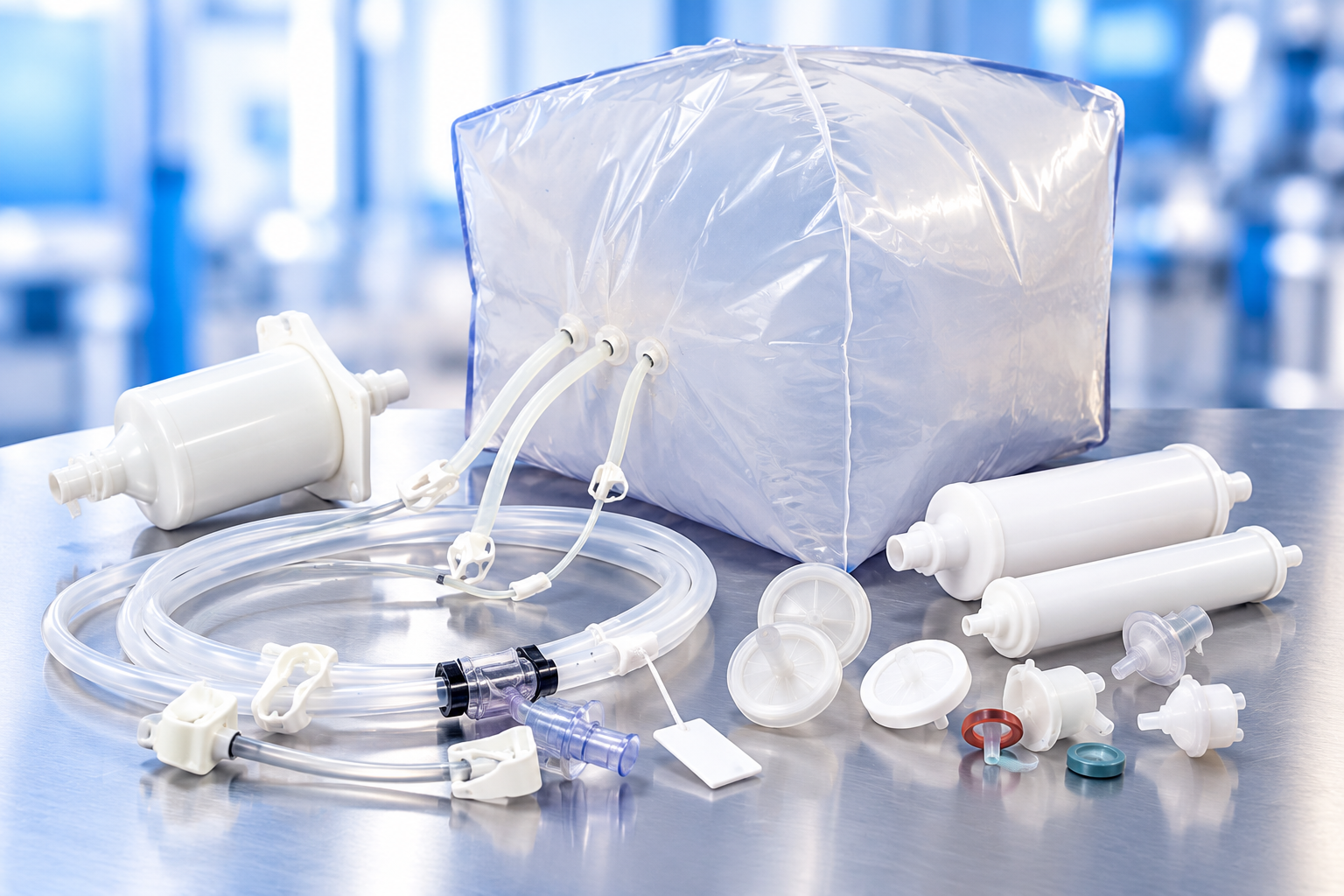
These systems may include:
- Single-use bioprocess bags and containers
- Tubing and fluid transfer assemblies
- Mixing systems and components
- Bioreactor assemblies and accessories
- Filtration assemblies
- Bottle and final-fill assemblies
Single-use technologies can be incorporated into individual process steps or integrated across multiple stages of biopharmaceutical manufacturing.
Their adaptability makes them particularly valuable for facilities managing different products, batch sizes, and production requirements.
Key Advantages of Single-Use Systems
1. Reduced Cleaning and Sterilization Requirements
One of the primary advantages of single-use systems is the ability to reduce or eliminate cleaning and sterilization procedures for certain product-contact components between batches.
Traditional reusable equipment often requires clean-in-place (CIP) and steam-in-place (SIP) operations.
These procedures can require substantial time, labor, utilities, and validation activities.
By replacing appropriate reusable components with qualified single-use alternatives, manufacturers can simplify preparation and reduce the resources associated with equipment cleaning.
However, facilities must still follow applicable procedures for installation, handling, environmental controls, and process validation.
2. Reduced Risk of Cross-Contamination
Maintaining product integrity is a critical priority in biopharmaceutical manufacturing.
When properly selected, handled, and qualified, single-use systems can help reduce the risk of cross-contamination between production batches.
Because product-contact components are replaced after use, manufacturers can reduce the potential for residual materials from previous processes to carry over into subsequent batches.
This is especially beneficial for facilities manufacturing multiple products or working with sensitive biological materials.
3. Greater Manufacturing Flexibility
Single-use technologies provide manufacturers with greater flexibility when adapting to changing production requirements.
Unlike some fixed stainless steel installations, single-use assemblies can be configured for specific applications and replaced between processes.
This flexibility may help manufacturers:
- Accommodate different batch sizes
- Support multiproduct manufacturing
- Adjust fluid transfer configurations
- Simplify certain equipment changeovers
- Adapt processes as production needs evolve
For facilities managing a diverse range of products, adaptable single-use solutions can support more efficient manufacturing operations.
4. Potential Cost Savings
Single-use systems can offer financial advantages by reducing certain equipment, facility, and operational costs.
Potential savings may include:
- Lower upfront investment in permanent processing equipment
- Reduced cleaning and sterilization expenses
- Lower consumption of cleaning-related utilities
- Less labor associated with equipment turnaround
- Reduced downtime between some production runs
However, total cost savings depend on factors such as production volume, component pricing, facility infrastructure, and waste management requirements.
Evaluating the complete cost of ownership helps determine whether single-use technology is the right investment for a particular application.
5. Faster Setup and Changeover Times
Efficient equipment preparation is essential for maintaining productive manufacturing schedules.
Qualified, presterilized single-use assemblies can simplify certain setup procedures and reduce the time required between production batches.
Rather than completing extensive cleaning cycles for reusable product-contact equipment, operators can install replacement assemblies according to established procedures.
This can support faster process changeovers and improved equipment availability.
For manufacturers operating multiple product lines, reduced turnaround time may provide an important operational advantage.
Common Applications of Single-Use Systems in Bioprocessing
Single-use technologies can support a wide range of upstream and downstream biopharmaceutical manufacturing operations.
Bioreactor Systems
Single-use bioreactor assemblies can support cell culture and other upstream processing applications.
Depending on the system design, these assemblies may incorporate tubing, connectors, sampling lines, and additional components required for fluid and gas management.
Single-use configurations can help simplify certain preparation and changeover procedures.
Mixing Systems
Single-use mixing systems are commonly used for preparing and handling media, buffers, and other process solutions.
Depending on the application, disposable mixing components can reduce the need to clean reusable product-contact surfaces between operations.
Filtration
Filtration is an essential step in many biopharmaceutical processes.
Single-use filtration assemblies can integrate tubing, connectors, and compatible filtration components to support fluid transfer and processing requirements.
These configurations may help simplify setup and reduce the number of reusable product-contact connections.
Fluid Transfer Assemblies
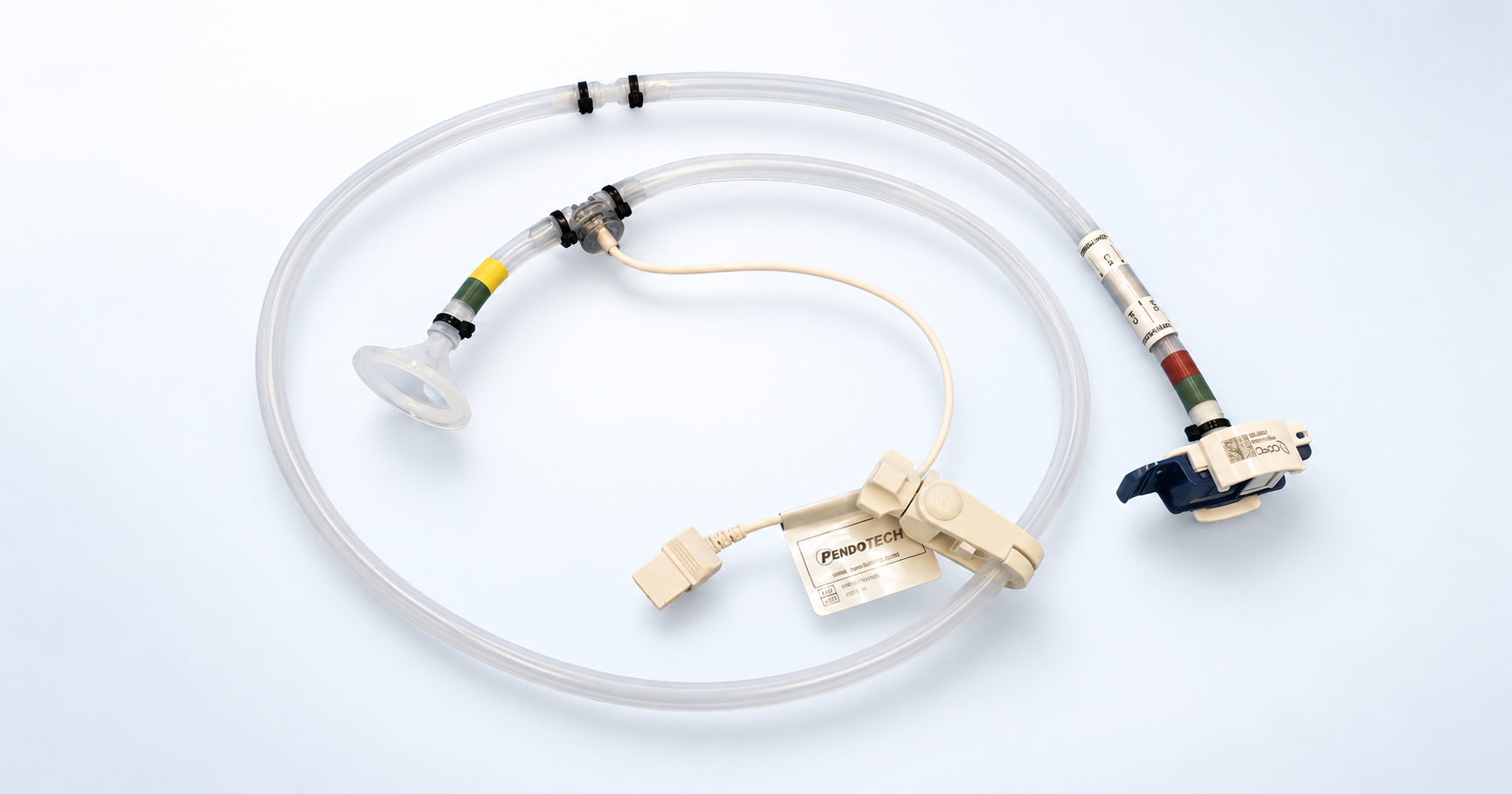
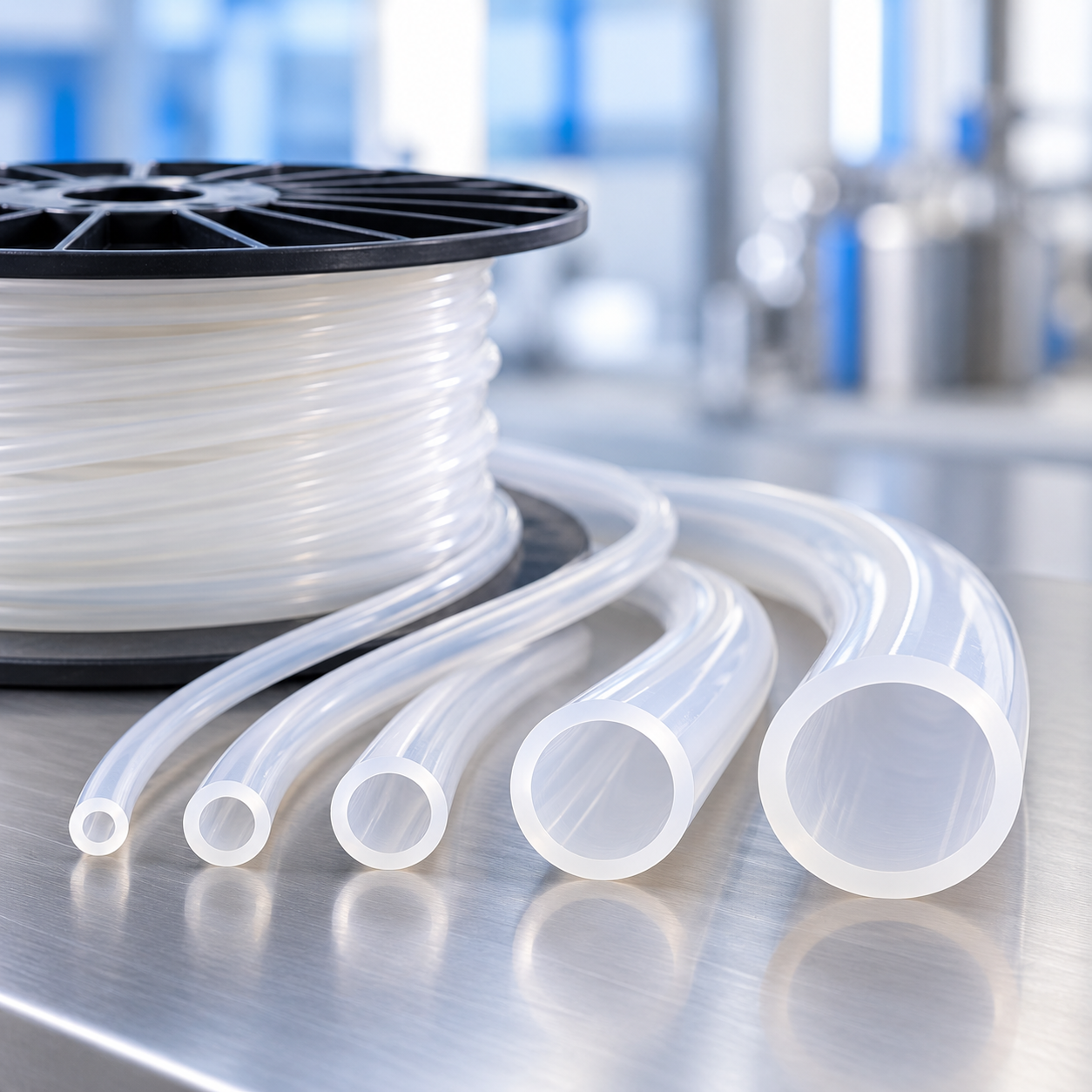
Single-use tubing and transfer assemblies connect various components throughout a manufacturing process.
Custom assemblies can be configured with tubing, fittings, clamps, connectors, and other components based on specific application requirements.
Appropriate material selection and assembly design are essential for maintaining compatibility and reliable system performance. To better understand how tubing dimensions affect fluid flow and pressure, read our guide, Why Tubing Size Matters in Bioprocessing.
Final-Fill Applications
Single-use final-fill assemblies can support the controlled transfer of product during filling operations.
Depending on the configuration, these assemblies may incorporate tubing, connectors, and additional components to support the required fluid pathway.
Proper component selection, qualification, and handling remain essential for product integrity.
Important Considerations Before Implementing Single-Use Systems
Although single-use technologies offer several advantages, they are not the ideal solution for every manufacturing application.
Evaluating the following factors can help determine whether a single-use system is appropriate.
Material Compatibility
Materials must be compatible with the process fluids, temperatures, and operating conditions.
Chemical compatibility and potential interactions between product-contact materials and process solutions should be evaluated before implementation. Understanding these interactions is essential for maintaining process integrity and minimizing potential risks.
For a closer look at material selection, explore our article on Chemical Compatibility in Bioprocessing.
Extractables and Leachables
Polymeric materials used in single-use systems may release chemical compounds under certain conditions.
Appropriate extractables and leachables assessments help manufacturers evaluate potential risks to product quality and patient safety.
The level of assessment depends on the materials, process conditions, and intended application.
System Integrity and Performance
Tubing, bags, connectors, and other components must withstand the expected operating conditions.
Pressure ratings, connection compatibility, flow requirements, and system integrity should all be considered during selection and qualification.
Waste Management
Single-use systems generate disposable material after each use.
Facilities should consider waste handling, disposal requirements, and environmental impacts when comparing single-use technology with reusable equipment.
Supply Chain Reliability
Consistent access to qualified materials and components is important for maintaining manufacturing continuity.
Component availability, supplier documentation, traceability, and lead times should be evaluated when planning a single-use process.
When Should You Consider Single-Use Systems?
Single-use technology may be particularly beneficial when a manufacturing operation requires greater flexibility or reduced cleaning requirements.
Consider evaluating single-use systems if your facility is:
- Expanding production or introducing new products
- Managing frequent batch or product changeovers
- Seeking to reduce cleaning-related downtime
- Developing new fluid transfer or processing assemblies
- Evaluating alternatives to certain reusable product-contact components
- Looking for configurable solutions for specialized applications
The decision should reflect the process requirements, facility capabilities, long-term operating costs, and applicable quality standards.
Conclusion: Supporting More Flexible Bioprocessing Operations
Single-use systems offer manufacturers an opportunity to simplify certain operations, reduce cleaning requirements, and create more flexible production environments.
From fluid transfer and mixing to filtration and bioreactor applications, these technologies can support efficient bioprocessing when properly selected and implemented.
However, successful integration requires careful consideration of material compatibility, component performance, qualification, and overall process requirements.
By evaluating these factors early, manufacturers can make informed decisions that support operational efficiency and consistent product quality.
Looking for a Custom Single-Use Solution?
At BioProcess Supplies (BPSSU), we understand that no two bioprocessing applications are exactly alike.
Our team works directly with customers to develop custom single-use assemblies and fluid transfer solutions tailored to their specific requirements.
Whether you’re designing a new process or evaluating existing equipment configurations, we’re here to help you identify the right components for your application.
Talk to a BPSSU Expert to Discuss Your Single-Use System Requirements.