
Chemical Compatibility in Bioprocessing: A Guide
Understanding Chemical Compatibility in Bioprocessing
Chemical compatibility plays an important role in maintaining safe, efficient, and reliable bioprocess operations. Selecting incompatible materials can lead to contamination, equipment damage, or unwanted chemical reactions. These issues can affect both product quality and process performance.
Understanding how chemicals interact with different materials helps manufacturers reduce risk and maintain process integrity.
At BioProcess Supplies (BPSSU), we help customers evaluate material selection and chemical compatibility for single-use assemblies and fluid transfer systems. Our team works closely with customers to identify solutions that meet their specific application requirements.
Why Chemical Compatibility Matters
Chemical compatibility describes how substances and materials interact under specific conditions. In bioprocessing, incompatible materials can cause corrosion, degradation, contamination, or equipment failure.
For example, certain chemicals may weaken tubing, damage seals, or affect the performance of storage containers. These interactions can compromise fluid transfer systems and create unnecessary production risks.
Several factors influence chemical compatibility, including:
- Temperature: Higher temperatures can accelerate chemical reactions and material degradation.
- pH Levels: Highly acidic or alkaline solutions may affect certain materials.
- Chemical Concentration: Stronger solutions may increase the risk of material damage.
- Exposure Time: Extended contact can change how materials respond to chemicals.
- Process Conditions: Pressure, sterilization methods, and mechanical stress can influence material performance.
Evaluating these factors helps manufacturers select materials that support consistent performance throughout the process.
Safety Considerations for Handling Chemicals
Safe chemical handling starts with clear procedures and appropriate protective measures. Laboratory and manufacturing personnel should follow established safety protocols to minimize exposure and prevent accidents.
Personal Protective Equipment (PPE)
Personnel should wear appropriate PPE based on the chemicals and tasks involved. Depending on the application, this may include protective gloves, safety goggles, and laboratory coats.
Proper Labeling and Storage
Clearly label chemical containers with relevant identification and hazard information. Store chemicals according to their specific requirements, and separate incompatible substances to prevent accidental reactions.
Manufacturer Guidelines
Review Safety Data Sheets (SDS) and manufacturer recommendations before handling or storing chemicals. These resources provide important information about potential hazards, storage conditions, and safe handling practices.
Consistent safety practices help protect personnel, equipment, and the overall manufacturing environment.
Selecting Chemically Compatible Materials
Choosing the right materials is essential for reliable bioprocess performance. Each component must withstand the chemicals and operating conditions it encounters during use.
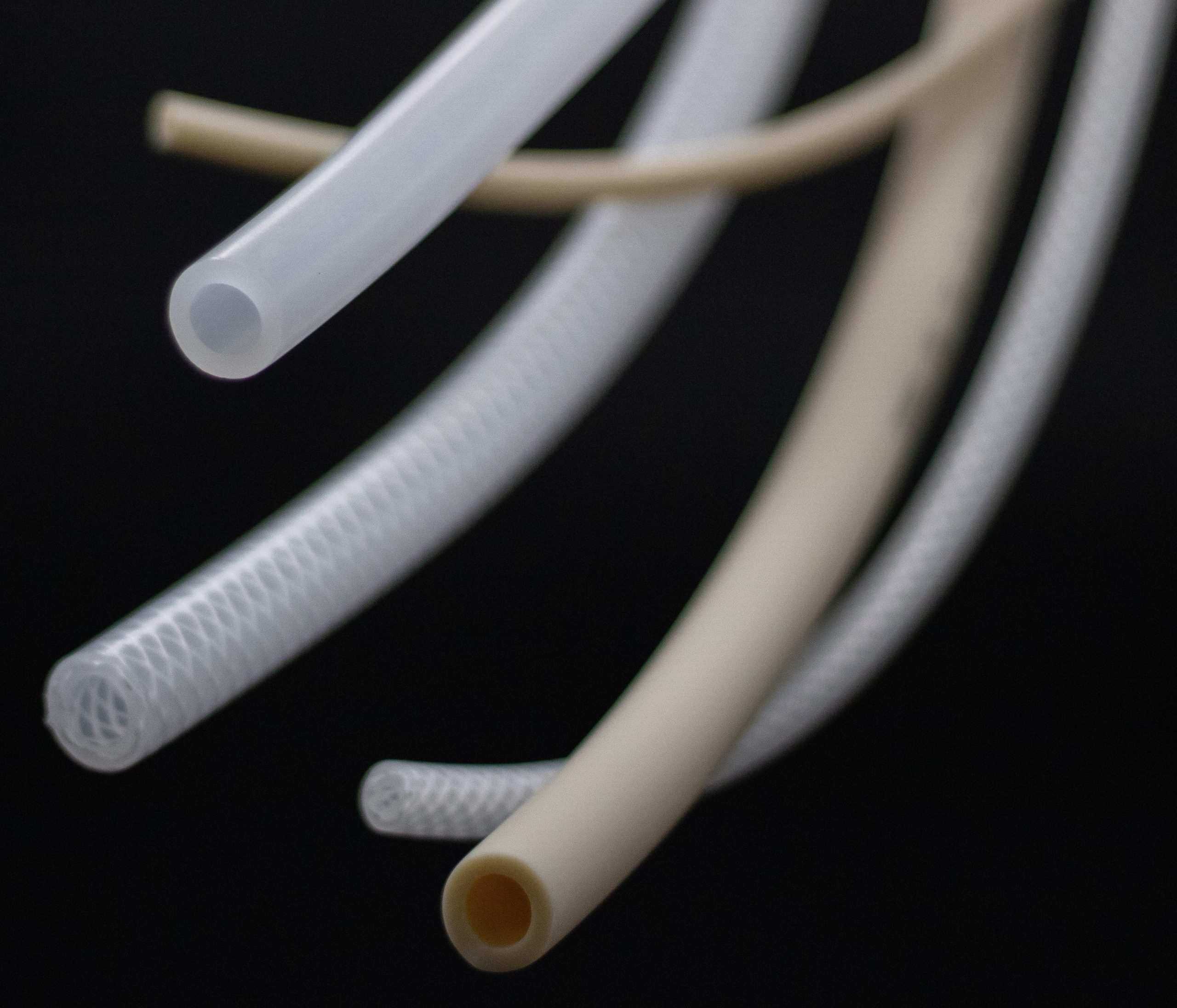
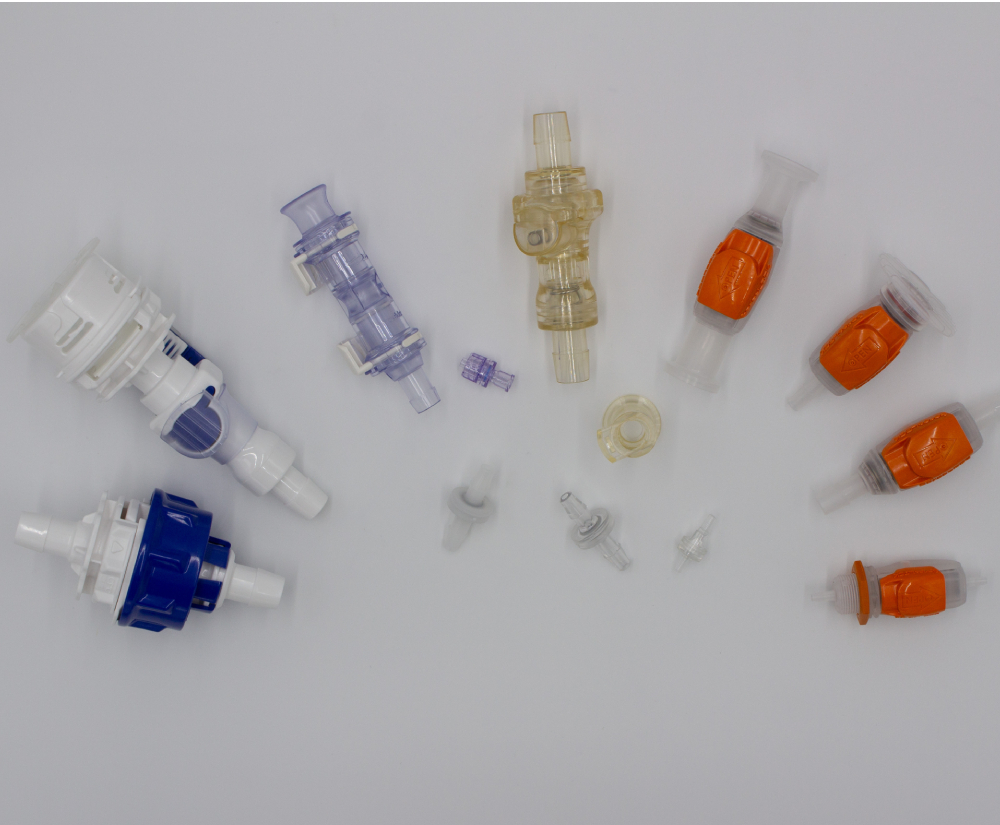
In single-use bioprocess systems, material selection may involve tubing, connectors, filters, and storage containers. Each component can have different chemical resistance properties.
Before selecting materials, consider the following:
- Material Composition: Review the chemical resistance properties of each product-contact material.
- Application Requirements: Consider the chemicals, concentrations, and operating conditions involved.
- Sterilization Compatibility: Confirm that materials can withstand the intended sterilization process.
- Long-Term Exposure: Evaluate how prolonged chemical contact may affect material integrity.
- Manufacturer Documentation: Consult technical specifications and compatibility data before making a final selection.
Careful material selection helps reduce unexpected failures and supports reliable system performance.
Preventing Unwanted Chemical Reactions
Preventing unwanted chemical reactions requires proper handling, compatible materials, and thoughtful process design.
Temperature, chemical concentration, and pH can all influence how substances interact. Changes in these conditions may increase reaction rates or affect material stability.
To reduce potential risks, manufacturers should follow established chemical handling procedures and inspect equipment regularly. They should also verify material compatibility before introducing new chemicals into a process.
For single-use systems, special attention should go toward product-contact components. Incompatible tubing, connectors, or containers may degrade during use and compromise system integrity.
Material selection should also consider potential extractables and leachables. These substances may migrate from product-contact materials under certain conditions.
Reviewing supplier documentation and performing application-specific assessments can help manufacturers identify potential risks before production begins.
Pro Tip: Always confirm chemical compatibility using manufacturer specifications and reliable compatibility data. When necessary, conduct additional testing under actual process conditions.
How BPSSU Supports Material Selection
At BPSSU, we understand that every bioprocess application has unique requirements. Chemical exposure, operating conditions, and component selection can all influence system performance.
Our team works directly with customers to understand their processes and identify suitable materials for their applications.
Whether you need custom single-use assemblies, fluid transfer components, or storage solutions, we can help you evaluate available options.
By combining technical knowledge with a collaborative approach, BPSSU helps customers make informed material selection decisions.
Conclusion
Chemical compatibility is essential for protecting product quality, maintaining equipment performance, and supporting safe bioprocess operations.
Understanding chemical interactions and selecting suitable materials can help reduce contamination risks, prevent equipment failures, and improve process reliability.
Need help selecting materials for your application?
The BPSSU team is here to help. Contact us to discuss your process requirements and explore single-use solutions designed for your specific needs.