
Why Size Matters in Bioprocessing Tubing: The Importance of ID and OD
Introduction
In bioprocessing systems, tubing selection goes beyond material compatibility, size plays a critical role in overall system performance. The inner diameter (ID) and outer diameter (OD) of tubing directly impact flow rates, pressure, accuracy, and process efficiency.
Improper tubing selection can lead to issues such as excessive backpressure, dead volume, clogging, or inconsistent results. Understanding how ID and OD influence system behavior is essential for designing reliable and efficient bioprocess workflows.
At BPSSU, we support customers in selecting the right tubing configurations to ensure optimal performance across single-use assemblies and fluid transfer systems.
Why Tubing Size Matters
Tubing size is a key factor in maintaining accuracy and efficiency in bioprocess applications. Selecting the wrong size can disrupt flow dynamics, create pressure imbalances, and negatively impact system performance.
Smaller inner diameters increase flow control and precision but can introduce higher pressure drop and clogging risk. Larger inner diameters allow for higher flow rates but may reduce control over smaller volumes and increase dead volume.
Additionally, mismatched tubing sizes can create gaps between fittings and components, leading to dead legs or inefficient fluid transfer. Proper sizing ensures smooth flow paths, consistent performance, and reduced risk of process variability.
Understanding ID vs. OD
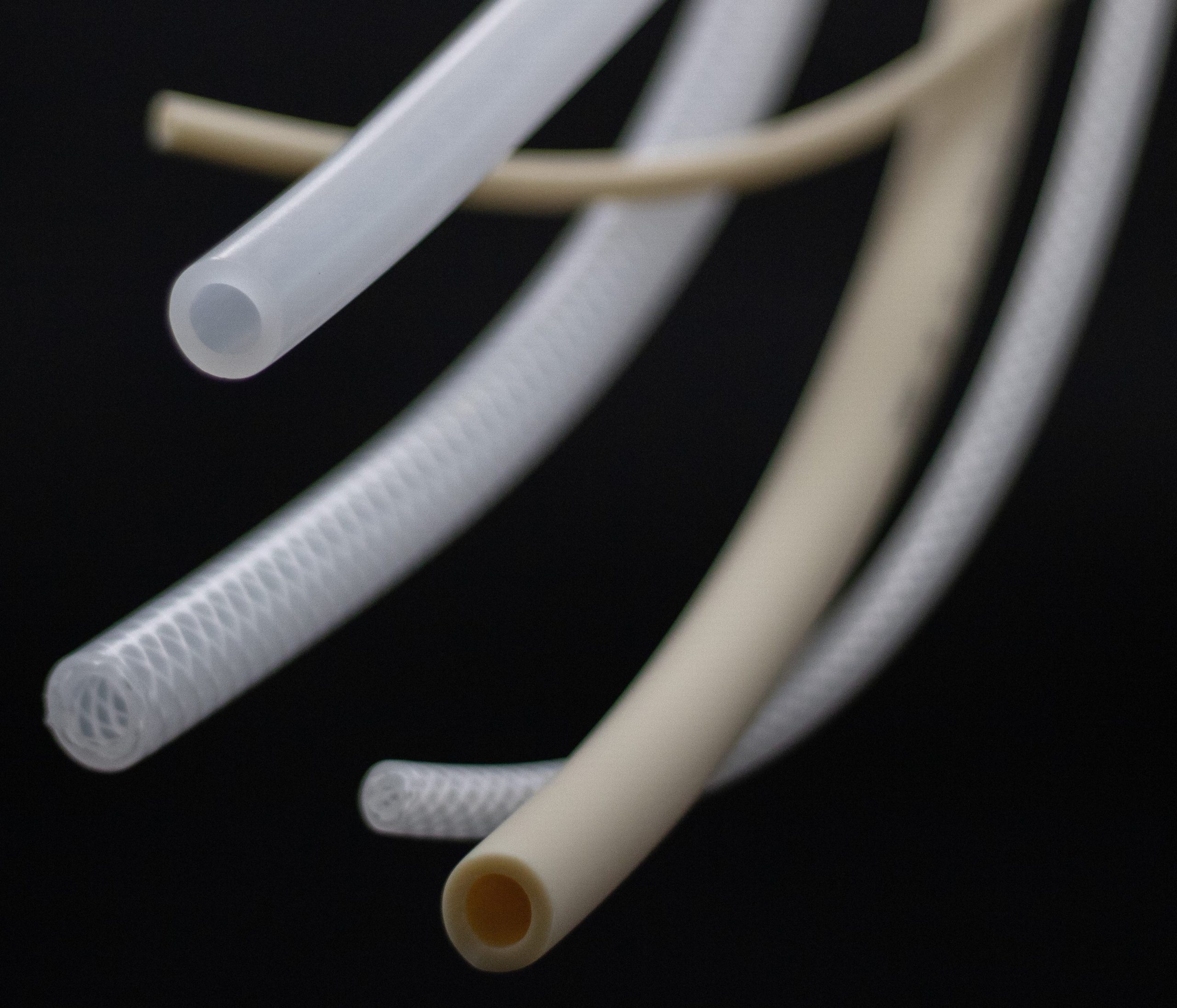
Both inner diameter (ID) and outer diameter (OD) play distinct but equally important roles in tubing performance.
- Inner Diameter (ID) determines flow rate, velocity, and pressure drop within the system. Smaller IDs increase control but raise resistance, while larger IDs improve flow but reduce precision.
- Outer Diameter (OD) ensures compatibility with connectors, fittings, and system components. Proper OD selection is critical for secure connections and system integrity.
Balancing ID and OD is essential to ensure both functional performance and proper system integration.
Key Factors to Consider When Selecting Tubing
Selecting the correct tubing size requires evaluating multiple process variables:
- Pressure Requirements- Tubing must withstand system pressure without risk of failure or deformation.
- Flow Rate- ID should be selected to achieve the desired flow without creating excessive backpressure.
- Wall Thickness- Impacts pressure resistance and durability under operating conditions.
- Connection Compatibility- OD must align with fittings, connectors, and assembly components.
- Material Compatibility- Chemical compatibility remains critical alongside sizing considerations. Taking all of these factors into account ensures reliable performance and long-term system stability.
Small vs. Large Tubing: Performance Tradeoffs
Choosing between smaller and larger tubing depends on application requirements:
Smaller Diameter Tubing
-Greater control over flow rate and precision
-Ideal for analytical applications (e.g., chromatography)
-Higher pressure drop and increased clogging risk
Larger Diameter Tubing
-Higher flow rates and faster transfer
-Better for bulk transfer, filling, and filtration
-Reduced precision at lower volumes
There is rarely a one-size-fits-all solution that many systems require a combination of tubing sizes across different process steps.
Application-Based Tubing Selection
Different bioprocess applications require different tubing sizes to optimize performance:
- Cell Culture- Smaller diameters help reduce shear stress and bubble formation, protecting sensitive cells.
- Fermentation- Larger diameters improve flow and reduce contamination risk in high-volume systems.
- Chromatography- Smaller tubing enables precise flow control and improved separation efficiency.
- Filtration- Larger IDs support higher flow rates and reduce clogging risk.
- Bioreactors- Wider tubing improves mixing, oxygen transfer, and nutrient distribution.
Selecting the appropriate tubing size for each step ensures consistent and efficient process performance.
Strategies for Optimizing Tubing Size
To maximize performance and reduce risk, consider the following strategies:
-Evaluate pressure differentials across the system
-Minimize dead volume to improve efficiency and reduce waste
-Match tubing size to each process step rather than standardizing across the system
-Use validated data and compatibility charts when selecting materials and sizes
Pro Tip: Oversizing tubing may seem safer, but it often introduces dead volume and reduces process control that proper sizing is key to both efficiency and accuracy.
Conclusion
Tubing size is a critical variable in bioprocess system design. Proper selection of inner and outer diameter directly impacts flow control, pressure management, and overall system performance.
By carefully evaluating ID, OD, and application-specific requirements, professionals can optimize their systems for accuracy, efficiency, and reliability.
If you are evaluating tubing configurations for your process, the BPSSU team can help guide material and sizing selection to ensure your assemblies perform effectively within your specific application.