

Chemical Compatibility in Laboratory Environments: Ensuring Safety and Process Integrity
Chemical compatibility is a critical factor in maintaining safe, efficient, and compliant laboratory environments. Improper material or chemical selection can lead to contamination, equipment failure, or hazardous reactions, impacting both safety and process integrity. Understanding how chemicals interact, and how materials respond to those interactions, is essential for any laboratory or bioprocess operation.
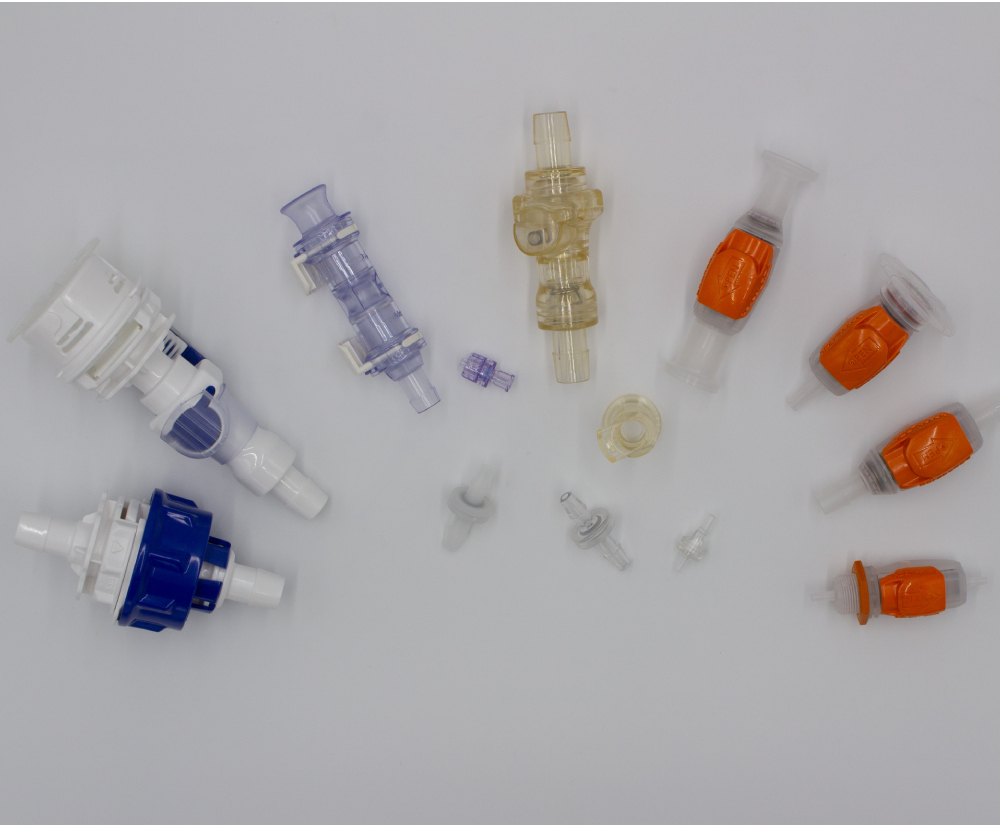
At BPSSU, we work closely with customers to support proper material selection and compatibility across single-use assemblies and fluid transfer systems, helping ensure reliable performance within each unique application.
Why Chemical Compatibility Matters
Chemical compatibility refers to the ability of two or more substances to interact without causing adverse effects. In laboratory and bioprocess environments, incompatible materials can lead to dangerous reactions, corrosion, or contamination. All of which can compromise both safety and experimental outcomes.
The most common type of chemical incompatibility is called a “chemical reaction”, which occurs when two or more substances interact and produce an undesirable result. For example, mixing acids with bases can cause a release of heat energy that can be dangerous if not handled properly. Additionally, incompatible materials can also cause corrosion or contamination in a laboratory environment, leading to compromised results if not addressed immediately.
When evaluating compatibility, several key factors should be considered, including temperature, pH, solubility, viscosity, and specific gravity. It is equally important to assess long-term interactions, particularly when chemicals are stored or transferred over extended periods.
Reliable data is essential for accurate compatibility assessment. Manufacturer specifications and Safety Data Sheets (SDS) should always be reviewed prior to use, along with any relevant product notices or recalls.
Safety Considerations for Handling Chemicals
Maintaining safe operations when handling chemicals requires consistent attention to proper procedures and protective measures. Personnel should always wear appropriate personal protective equipment (PPE), including lab coats, gloves, and safety goggles, to reduce exposure risks.
Clear labeling of all containers (including chemical name, concentration, and date) helps prevent errors and cross-contamination. Chemicals should also be stored away from heat sources and ignition points, and in well-ventilated areas to minimize exposure to hazardous fumes.
Following manufacturer guidelines for handling, storage, and disposal is essential to maintaining both safety and regulatory compliance within the laboratory.
Selecting Materials with the Right Chemical Properties
When choosing materials for use in a laboratory environment, it is important to choose materials with the correct chemical properties. Not only can this help ensure safety and efficiency in the lab, but it can also make sure that any experiments carried out are not compromised by the wrong material being used.
Before selecting materials, it is important to review manufacturer specifications, compatibility charts, and any applicable regulatory requirements. These resources provide valuable insight into how materials will perform under specific conditions.
In bioprocess and laboratory environments, material selection should also account for long-term exposure, sterilization methods, and application-specific demands to ensure consistent and reliable performance.
Preventing Unwanted Chemical Reactions
Preventing unwanted reactions in the lab requires both proper handling procedures and thoughtful system design. Regular inspection and maintenance of equipment is essential, as faulty components can introduce unexpected risks.
Chemicals should be stored appropriately and kept away from heat, sparks, or other ignition sources. Temperature and pH conditions should always be considered, as they can significantly influence reaction rates and behavior.
When working with volatile or hazardous substances, the use of a fume hood is strongly recommended to reduce exposure to harmful vapors. Additionally, different chemical solutions should never be mixed in the same container unless compatibility is confirmed.
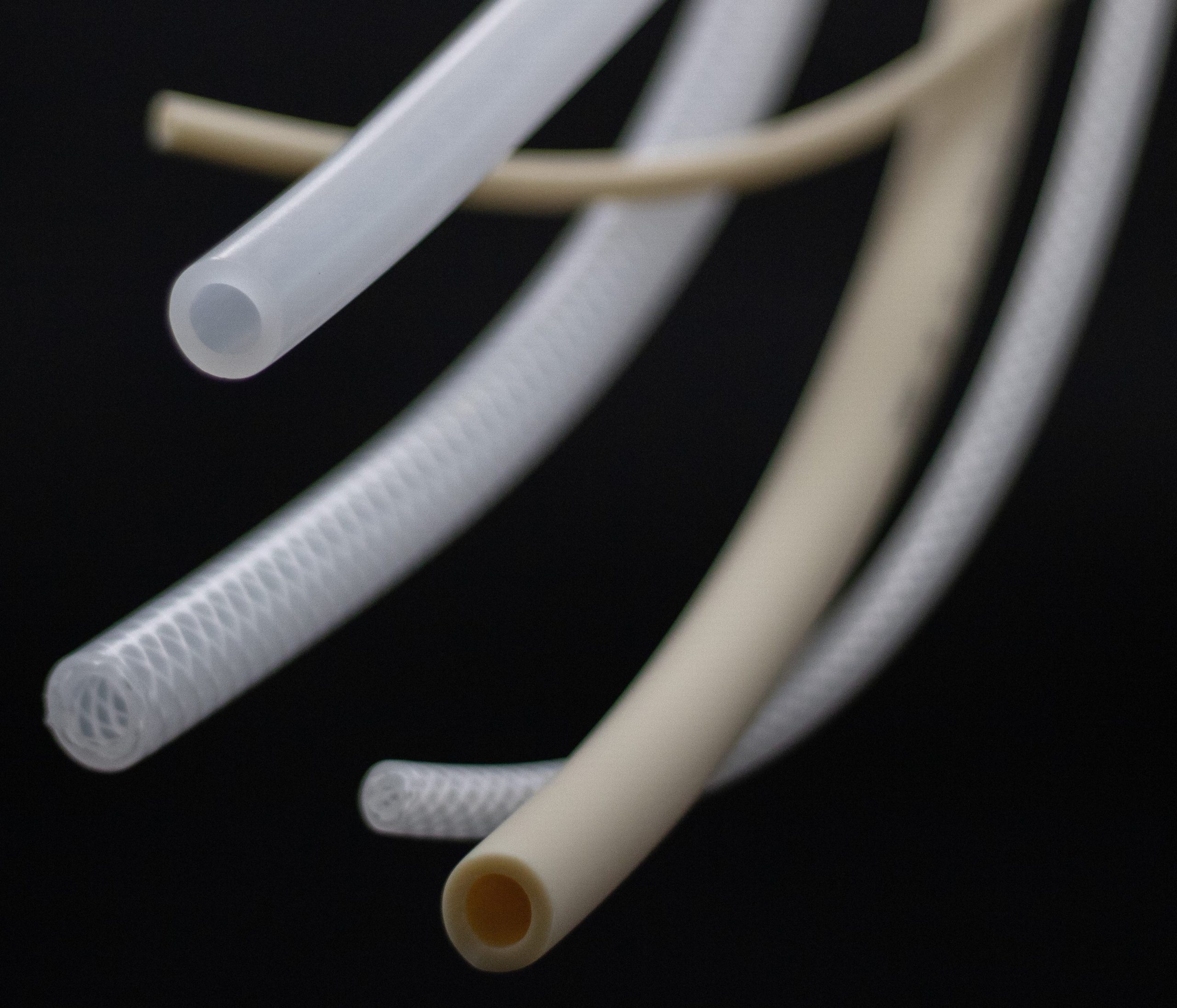
Using compatible materials for fluid transfer and storage is equally important. Incompatible tubing, vessels, or components can introduce risks such as extractables and leachables, material degradation, or failure during transfer. Selecting materials based on validated chemical compatibility data is essential to maintaining product integrity and system performance.
Pro Tip: Always verify compatibility using manufacturer data sheets and validated compatibility charts, especially when working with aggressive chemicals, solvents, or long-term storage applications.
Conclusion
Understanding and applying chemical compatibility principles is essential for maintaining safe operations and protecting process integrity within laboratory environments. From proper handling procedures to informed material selection, each step plays a role in reducing risk and ensuring consistent results.
If you are evaluating material compatibility within your process, working with a knowledgeable partner can help prevent costly mistakes and improve long-term reliability. The BPSSU team can support material selection and compatibility considerations to ensure your assemblies perform effectively within your specific application.